
Showroom patios can look perfect on day one, but two Minnesota winters often lead to cracks and heaving. Many “maintenance-free” decks fade to gray, and decorative garden edges often crumble during our spring freeze-thaw cycles.
You can avoid these costly replacements by learning how to choose materials that hold up outdoors in Minnesota’s extreme climate.
Long-lasting landscaping depends on materials built for our specific climate. Heavy snow and extreme temperature shifts put more stress on outdoor structures than the weather in milder states.
Here is how to make smart choices that withstand everything our weather throws at them.
Why Minnesota Weather Demands Special Consideration
The Twin Cities experience temperature extremes that few other regions match. Winter lows plunge to twenty below zero, while summer highs climb into the 90s. This 120+ degree annual temperature range creates unique challenges.
- Freeze-Thaw Damage: Water enters small cracks, freezes, and expands, which forces the cracks to grow. This cycle repeats frequently during Minnesota springs and falls, destroying materials that aren’t built for it.
- Weight and Sun Stress: Heavy snow puts pressure on structures, while ice dams test your waterproofing. In the summer, intense UV rays fade colors and cause plastics or low-quality wood finishes to break down.
Hardscape Materials: Patios, Walkways, and Retaining Walls
Hardscape elements form the bones of your landscape and represent significant investments.
Concrete Pavers vs. Poured Concrete
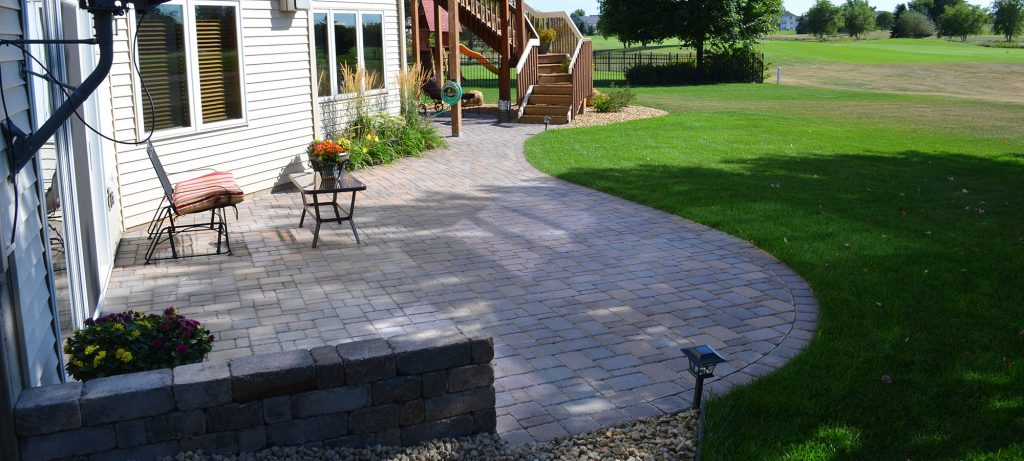
Concrete pavers outperform poured concrete in Minnesota climates. Individual pavers accommodate ground movement from freeze-thaw cycles without cracking. Quality pavers manufactured for northern climates include air entrainment that allows moisture to expand without causing damage.
Natural Stone Options
Granite provides exceptional durability and resists freeze-thaw damage better than softer stones. Limestone works well in many applications but requires sealing in high-moisture areas. Sandstone varies widely in quality—always verify stone density and freeze-thaw ratings before using it.
Retaining Wall Blocks
Segmental concrete retaining wall blocks designed for our climate provide reliable performance. Quality systems include proper drainage that prevents water buildup behind walls—critical for freeze-thaw resistance.
Decking and Outdoor Structure Materials
Decks, pergolas, and outdoor structures face constant weather exposure. Material selection determines longevity.
Composite Decking: Premium capped composites resist fading, moisture, and staining. Avoid older hollow designs that trap moisture and fail in sub-zero temperatures. While more expensive upfront, they eliminate the need for annual staining.
Pressure-Treated Lumber: This is a cost-effective choice for structural framing. While it resists rot and insects, any exposed surfaces need yearly cleaning and resealing to last in our climate.
Cedar and Redwood: These woods offer natural rot resistance and high-end aesthetics. However, they require annual sealing to prevent them from turning gray and weather-beaten under the Minnesota sun.
Landscape Edging and Borders
Edging defines garden beds, pathways, and landscape zones. The right edging materials maintain clean lines year after year.
Metal Edging
Steel and aluminum edging provide clean, permanent borders that handle freeze-thaw cycles without cracking or shifting. Steel edging develops an attractive rust patina over time, while aluminum maintains its appearance indefinitely.
Both metals flex slightly to accommodate ground movement, preventing the cracking common in rigid materials.
Plastic and Composite Edging
Quality landscape edging made from recycled plastics or composites offers flexibility and durability. Avoid thin, brittle plastic edging that becomes inflexible in cold weather and cracks easily.
Heavy-duty composite edging designed for commercial applications provides residential landscapes with materials that outlast budget alternatives by decades.
Concrete and Stone Edging
Poured concrete edging or natural stone borders create substantial, permanent edges. Both require proper installation with adequate base preparation to prevent heaving and cracking from freeze-thaw cycles.
Mulch and Ground Cover Materials
Mulch and ground cover materials need annual or seasonal replacement, but choosing quality options reduces maintenance and provides better performance.
- Organic Mulches: Shredded hardwood bark and wood chips enrich the soil as they break down. Quality hardwood lasts longer and stays in place better during heavy Minnesota rains than softer wood alternatives.
- Cedar and Cypress: These premium options naturally repel insects and have a pleasant scent, though they come with a higher price tag than standard hardwood.
- Inorganic Options: River rock, pea gravel, and decorative stones provide a permanent cover that never decomposes. They are ideal for high-washout areas or homeowners who want to eliminate the cost of annual replacement.
- Soil Impact: While stone is low-maintenance, it does not insulate soil or add nutrients like organic mulch does.
Working With Twin Cities Landscaping Professionals
The team at Warner’s Outdoor Solutions has spent over 20 years helping Twin Cities homeowners and businesses select materials that perform in our climate. Our experience across thousands of projects throughout Minneapolis and St. Paul gives us firsthand knowledge of what works and what fails.
We guide clients toward materials that match their aesthetic preferences, maintenance willingness, and budget while ensuring long-term durability.
Contact us to discuss material selections for your Twin Cities landscaping project. Our experienced team will help you choose options that deliver the durability, beauty, and performance Minnesota properties demand.