A pristine lawn doesn’t fall apart overnight. It starts with one raised tunnel near the fence line, or a single shrub stripped down to its veins.
Minnesota property owners commonly deal with moles, gophers, voles, Japanese beetles, and Emerald Ash Borer during the growing season. Knowing what each type of damage looks like helps you act before small problems become expensive repairs.
3 Signs Pests Are Destroying Your Landscaping
- Raised tunnels and dirt mounds.
These are moles and gophers tearing through root systems. Moles build volcano-shaped mounds and can dig 18 feet of tunnel in a single hour. Left alone, those tunnels soften the ground enough to twist an ankle, and they kill grass by severing roots from soil contact.
- Skeletonized leaves on shrubs.
Japanese beetles hit ornamental landscaping across the Twin Cities metro hard in late summer. They strip leaves down to the veins, leaving lace where there used to be foliage. The University of Minnesota notes that Japanese beetles feed on more than 300 plant species, making them one of the most destructive ornamental landscape pests in Minnesota.
- Thinning tree canopies.
A canopy that’s gone noticeably sparse is often the first visible sign of Emerald Ash Borer. By the time you see thinning from the ground, the borer has usually been active for a season or more. Trees need intervention before the damage becomes irreversible.
Don’t Wait for Spring
Late summer is one of the best times to identify hidden pest activity before winter. As temperatures cool, voles and mice begin building protected nesting areas beneath thick grass, mulch, and landscape beds.
Those problems often aren’t discovered until spring, when homeowners find widespread dead patches and damaged turf.
Addressing subterranean activity in late summer, not next spring, is what keeps the damage from compounding over winter.
Why Moles Are in Your Minnesota Yard
Moles aren’t after your grass. Although many people assume moles eat grass roots, they actually damage lawns while tunneling in search of insects beneath the soil.
- Earthworms and grubs are their primary diet
- A well-watered, well-fertilized lawn supports more of both, which means more moles
- They eat 70 to 100 percent of their body weight every day, so they’re almost constantly tunneling for food
That tunneling isn’t cosmetic. It softens the surface of your Minneapolis lawn and creates real footing hazards for kids and pets.
Gophers: A Different Animal, Similar Damage
Gophers are roughly a foot long, with soft fur in shades of black and brown. Their burrows show up as horseshoe-shaped mounds rather than the volcano-shaped mounds moles leave behind.
They’re most active in spring and summer, when soil conditions are easiest to tunnel through, and they feed on plants, weeds, and garden beds.
Beyond the lawn damage, gophers carry disease risk: their fur is often infested with insects that can transfer to your home, and gopher bites happen more often than people expect when a curious dog digs into a burrow.
How Professional Pest Control Protects Your Lawn
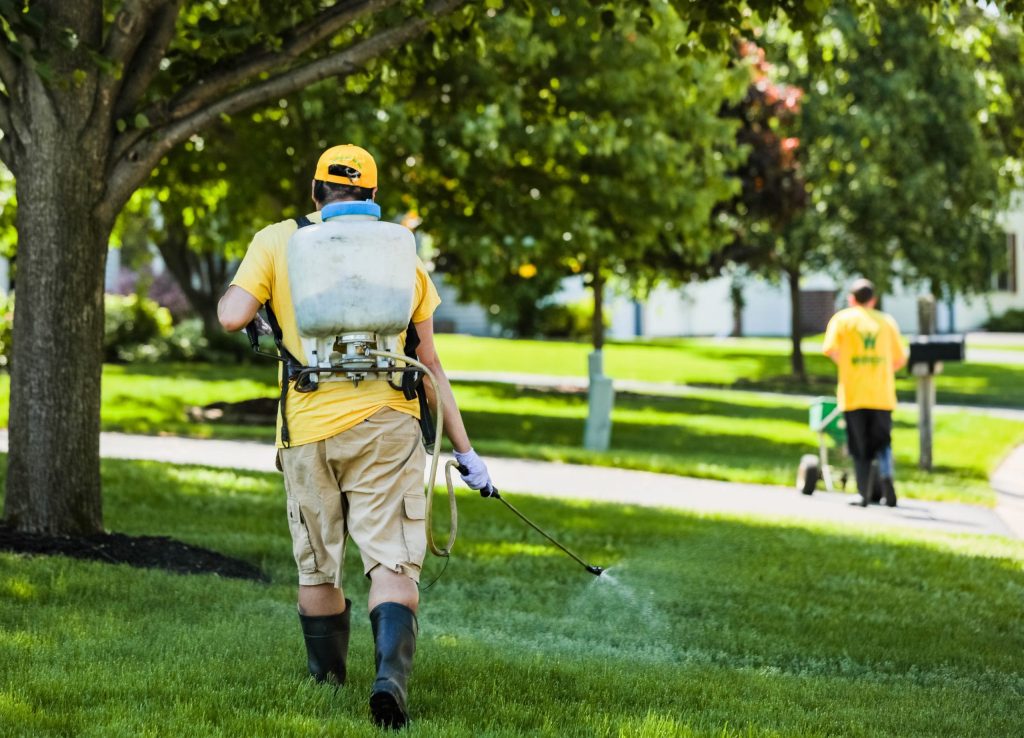
Every pest requires a different treatment strategy. Warner’s Outdoor Solutions identifies what’s causing the damage before recommending a solution, helping homeowners avoid wasting time and money on treatments that don’t address the real problem.
For moles, Warner’s uses a proven application that eliminates the food source driving the infestation, which is also what keeps moles from coming back once they’re gone. For gophers, the approach is trap and relocate, since they don’t respond to the same food-source treatment.
Either way, the goal isn’t just clearing what’s there now. It’s making sure the same animal doesn’t show back up next season because the underlying conditions never changed.
Warner’s also handles voles, mice, Japanese beetles, and Emerald Ash Borer treatment, so if you’re seeing more than one of these signs at once, one visit can usually cover it. They help property owners throughout the Twin Cities and surrounding Minnesota communities protect their lawns, trees, and landscaping from damaging pests.
Get Your Yard Checked Before the Damage Spreads
Don’t wait until tunnels spread across your lawn or damaged trees become impossible to save. Schedule a professional inspection with Warner’s Outdoor Solutions to identify the source of the damage and recommend the right treatment before repairs become more expensive.
Pest Control FAQs
How do I tell mole damage from gopher damage?
Moles leave volcano-shaped mounds with tunnels just under the surface. Gophers leave horseshoe-shaped mounds and tend to dig deeper, more permanent burrow systems.
Will watering my lawn less keep moles away?
It helps some, since a drier lawn supports fewer grubs and earthworms, but it won’t solve an active infestation. Moles will keep tunneling as long as any food source remains.
Are Japanese beetles dangerous to people or pets?
No. They damage plants, not people. The risk is to your landscaping investment, especially ornamental shrubs and roses.
How fast does Emerald Ash Borer kill a tree?
Most infested ash trees die within two to four years of the first signs of canopy thinning, which is why early treatment matters.
Can I treat moles or gophers myself?
DIY traps and repellents exist, but most homeowners end up calling a professional after the problem returns. Targeting the food source or relocating the animal directly tends to work better long term.